
AI Coding Agents and Development Platforms Transforming Software Engineering in 2026
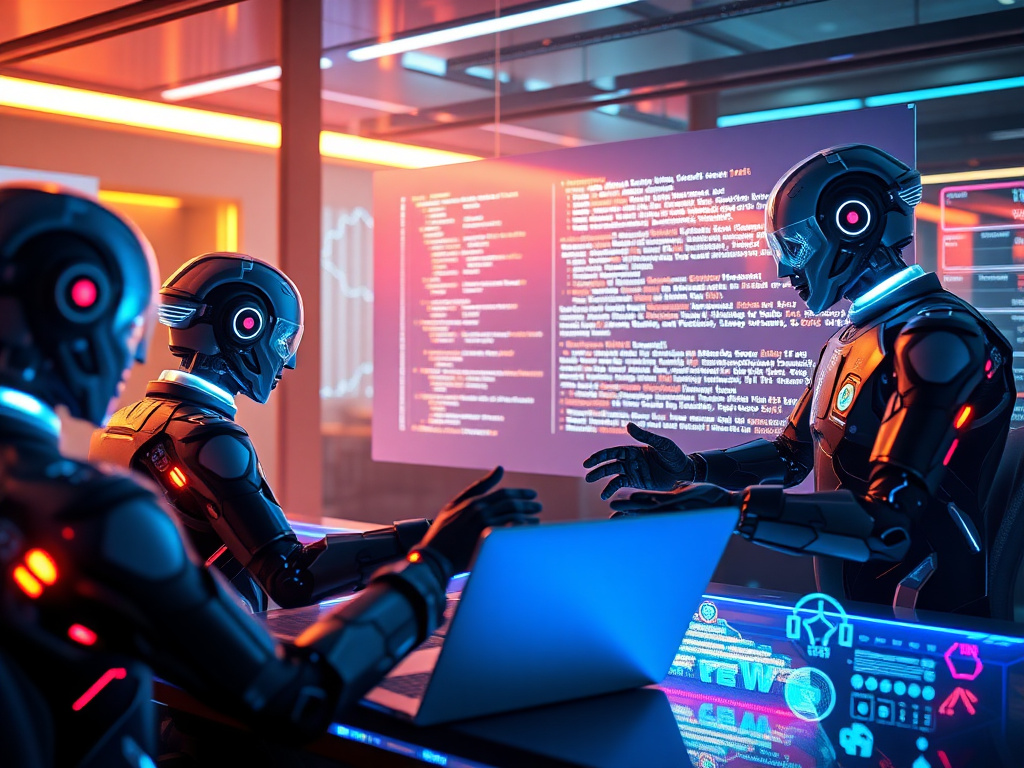
The way software is built has moved from manual line‑by‑line typing to a conversational model where developers describe intent and intelligent agents generate, test, and ship code. Modern AI coding assistants not only autocomplete snippets; they orchestrate entire workflows—planning tasks, editing across multiple files, running unit tests, opening pull requests, and even deploying to production with minimal human oversight. Platforms such as Atoms, Devin, Windsurf, Cursor, and Warp exemplify this shift. Atoms, for instance, coordinates a team of specialized agents covering product management, system architecture, full‑stack engineering, SEO, data analysis, and paid advertising, turning a plain‑language product description into a fully functional application complete with user authentication, data storage, and payment integration. Devin operates as an autonomous software engineer that receives natural‑language tickets, creates a development plan, and executes the plan inside a secure sandbox, while Windsurf’s “Arena Mode” pits multiple language models against each other to select the highest‑quality output.
Beyond individual agents, a broader ecosystem of AI‑driven development workflows has emerged, each optimized for different stages of the software lifecycle. The top‑ranked workflows of 2026 include OpenAI Codex paired with GPT‑5.5 for high‑precision code generation, Claude Code integrated with Opus 4.8 for nuanced reasoning, and self‑hosted automation tools like n8n that let teams stitch together custom AI pipelines. Managed services such as Wrk and Zapier Central provide plug‑and‑play AI workflow automation, enabling rapid orchestration of tasks like test execution, environment provisioning, and continuous integration without deep engineering effort. Composio adds another layer by offering a platform for integrating multiple AI agents into a single coherent system, allowing developers to leverage the strengths of different models within one workflow.
The convergence of these agents and workflows is reshaping the skill set required of software engineers. Instead of memorizing syntax, developers now focus on prompt engineering, high‑level architectural thinking, and overseeing AI‑generated artifacts for security and compliance. This transformation also democratizes development: small teams and even solo creators can launch sophisticated products by simply describing requirements, while larger enterprises benefit from coordinated AI squads that handle everything from code synthesis to performance monitoring. As AI continues to mature, the most successful development strategies will blend the autonomy of agents like Atoms and Devin with the flexibility of workflow platforms such as n8n and Composio, delivering faster time‑to‑market and higher quality software while keeping human expertise in the loop for critical decision‑making.
