
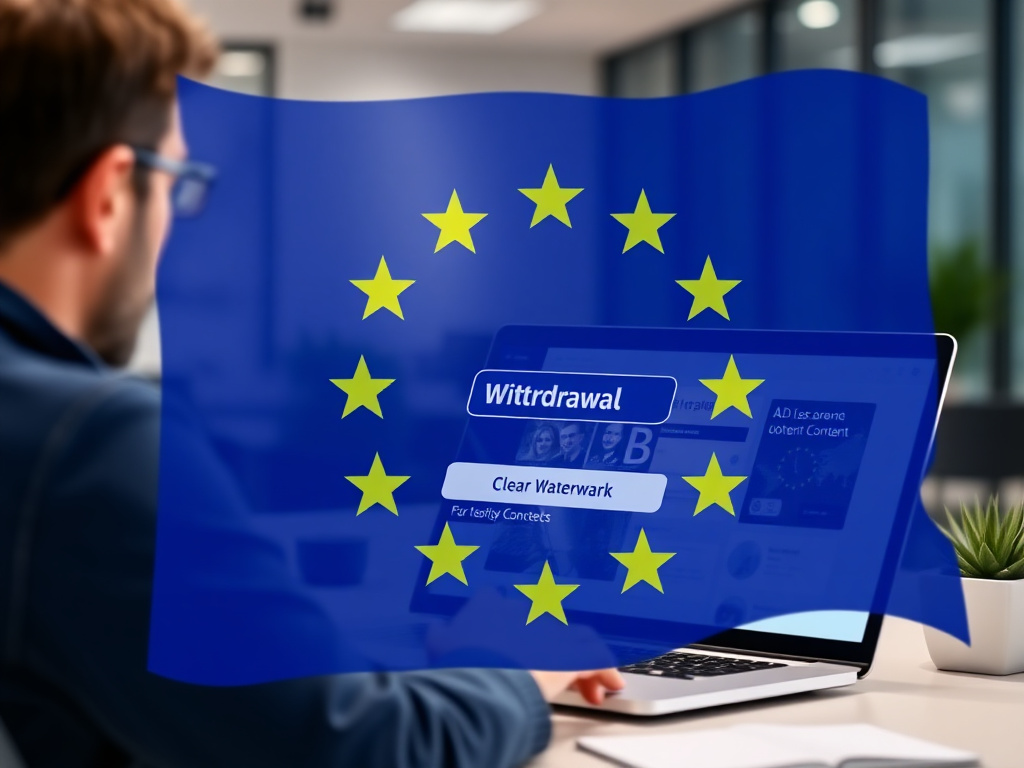
Understanding the EU AI Act: New Transparency and Consumer Rights in 2026
The European Union’s AI Act is set to become enforceable on August 2, 2026, marking the first time a G7 jurisdiction imposes binding disclosure obligations on consumer‑facing artificial intelligence. Under Article 50, providers of chatbots, deep‑fake media and any AI‑generated content must clearly label their outputs and disclose the underlying technology, a move announced by Commissioner Thierry Breton at a recent press conference. Companies that missed the July 22 signatory deadline risk losing the strongest legal protection, while those that act now must implement watermarking standards, user‑notice mechanisms and robust data‑handling policies to avoid fines and reputational damage. The transparency regime is designed to protect users from manipulation, ensure accountability, and create a level playing field for innovators across the 27 member states.
Simultaneously, the EU has introduced a “withdrawal button” requirement that takes effect on June 19, 2026, compelling all online traders selling to EU consumers to provide a single‑click option for cancelling purchases. This consumer‑rights upgrade applies to distance contracts, including cross‑border sales by non‑EU businesses targeting the European market. Failure to comply can extend the statutory withdrawal period and trigger enforcement actions by national consumer‑protection authorities, with fines already being levied in France and Germany. While Belgium has yet to transpose the rule, the growing enforcement trend underscores the importance of updating checkout flows, mobile apps and website interfaces to display a clearly visible, easily accessible button that meets the new legal standard.
Beyond regulatory compliance, the AI Act is reshaping investment and litigation landscapes. EU investors are now conducting rigorous due‑diligence on AI startups, scrutinizing governance frameworks, data‑privacy safeguards and adherence to the Act’s transparency provisions before committing capital. Legal experts warn that AI‑related liability can arise from misrepresentation, failure to disclose AI‑generated content, copyright infringement or defective‑product claims, especially when companies operate across jurisdictions with divergent standards. To mitigate risk, businesses are advised to adopt the most restrictive compliance measures—often those of the EU—even if headquartered elsewhere, and to embed continuous monitoring, audit trails and clear user disclosures into their AI development cycles. Aligning with the EU AI Act not only avoids penalties but also signals a commitment to responsible AI, a factor increasingly valued by investors and regulators alike.
