
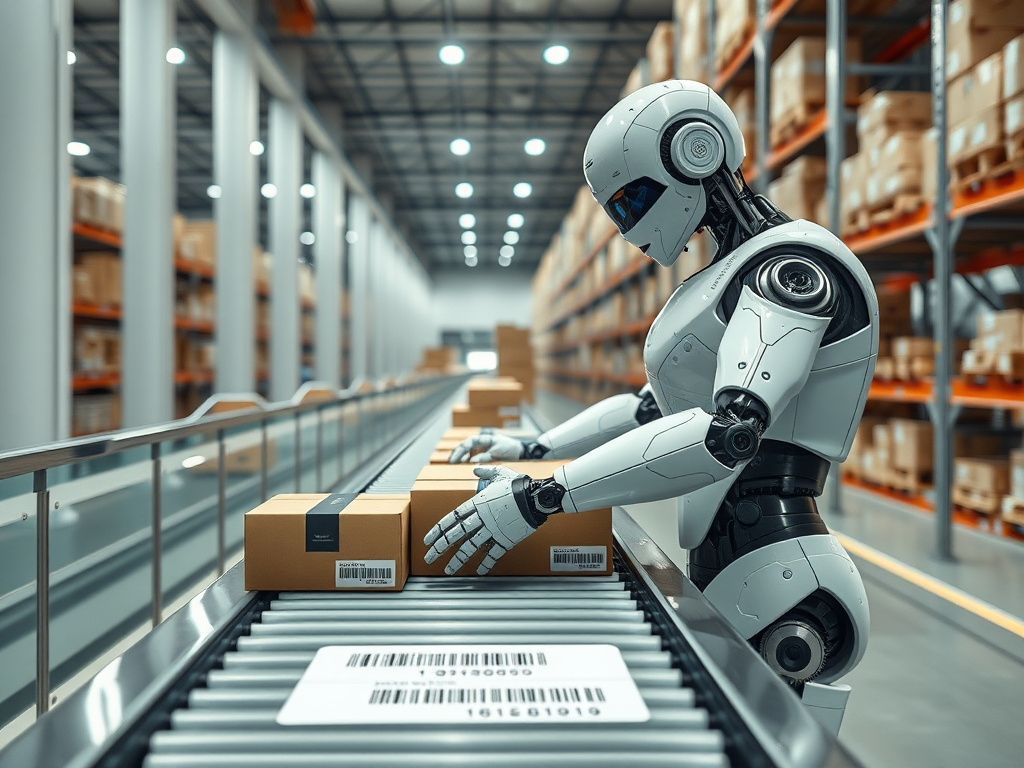
Figure 03 Demonstrates Unprecedented Endurance in Package Sorting
In a striking display of robotic stamina, Figure’s flagship humanoid, the Figure 03 (F.03), completed a continuous 200‑hour package‑sorting marathon, processing a total of 249,560 parcels without a single failure. The test, originally planned as an eight‑hour reliability check, quickly evolved into a nine‑day endurance run after the robot proved far more stable than anticipated. Operating in three‑robot rotations—each robot working eight‑hour shifts—the system averaged 1,248 packages per hour, effectively replacing the output of 25 standard human eight‑hour shifts. Powered by Figure’s proprietary Helix‑02 artificial‑intelligence model, the robot autonomously adjusted package orientation on a conveyor belt, ensuring barcodes faced downward, and switched seamlessly between single‑hand and dual‑hand handling depending on item size and shape. Standing 173 cm tall and weighing 61 kg, the F.03’s human‑like reach allowed it to stretch its upper body for distant objects, showcasing the dexterity that is essential for real‑world logistics environments.
The marathon began as a “Man vs. Machine” challenge, pitting the robot against a human intern named Aime in a ten‑hour sprint to see who could sort more parcels. While the human participant received legally mandated meal and bathroom breaks, the robot continued uninterrupted, highlighting a key advantage of AI‑driven automation: relentless productivity. The live‑streamed event recorded a running tally of sorted packages, and the final count underscored the economic potential of deploying humanoid robots in warehouse settings. Industry analysts are already linking such feats to the multitrillion‑dollar market forecast for bipedal humanoid robots, a sector that Elon Musk and other tech leaders argue could reshape manufacturing and logistics on a global scale.
Experts suggest that the successful 200‑hour run accelerates the timeline for widespread adoption of humanoid robots in supply‑chain operations. The ability to work continuously, adapt grip strategies, and operate without human supervision positions Figure 03 as a viable alternative to traditional conveyor‑based automation, which often lacks the flexibility to handle irregularly shaped parcels. As companies seek to meet rising e‑commerce demand while controlling labor costs, the demonstration serves as a compelling proof point that AI‑powered robotics can deliver both efficiency and reliability. The next steps will likely involve scaling the technology across multiple facilities, integrating advanced vision systems, and refining safety protocols to ensure seamless collaboration between human workers and their robotic counterparts.
